How to Choose the Right Solar Power System for Your Business in Nigeria
Why Solar Power is Critical for Nigerian Businesses
Power instability remains the single greatest operational challenge for businesses across Nigeria. With grid failures occurring multiple times daily in many regions, relying solely on NEPA power means accepting chronic downtime, lost productivity, and damaged equipment. The question isn't whether your business needs backup power—it's whether you continue burning diesel at ₦800-1,200 per liter or invest in solar infrastructure that pays for itself.
Understanding Your Power Requirements
Before selecting any solar system, you need accurate data on your actual consumption:
- Peak Load Analysis: What's your maximum simultaneous power draw? Count all computers, servers, printers, air conditioning units, lighting, and other equipment that run concurrently during business hours.
- Daily Energy Consumption: Multiply your average hourly consumption by operating hours. A typical 20-workstation office with basic IT infrastructure consumes 40-60 kWh daily.
- Autonomy Requirements: How many hours of backup power do you need? Most Nigerian businesses require 12-18 hours of autonomy to cover overnight and extended outages.
- Future Expansion: Plan for 30-50% growth capacity to avoid costly system upgrades within 2-3 years.
Solar System Components Explained
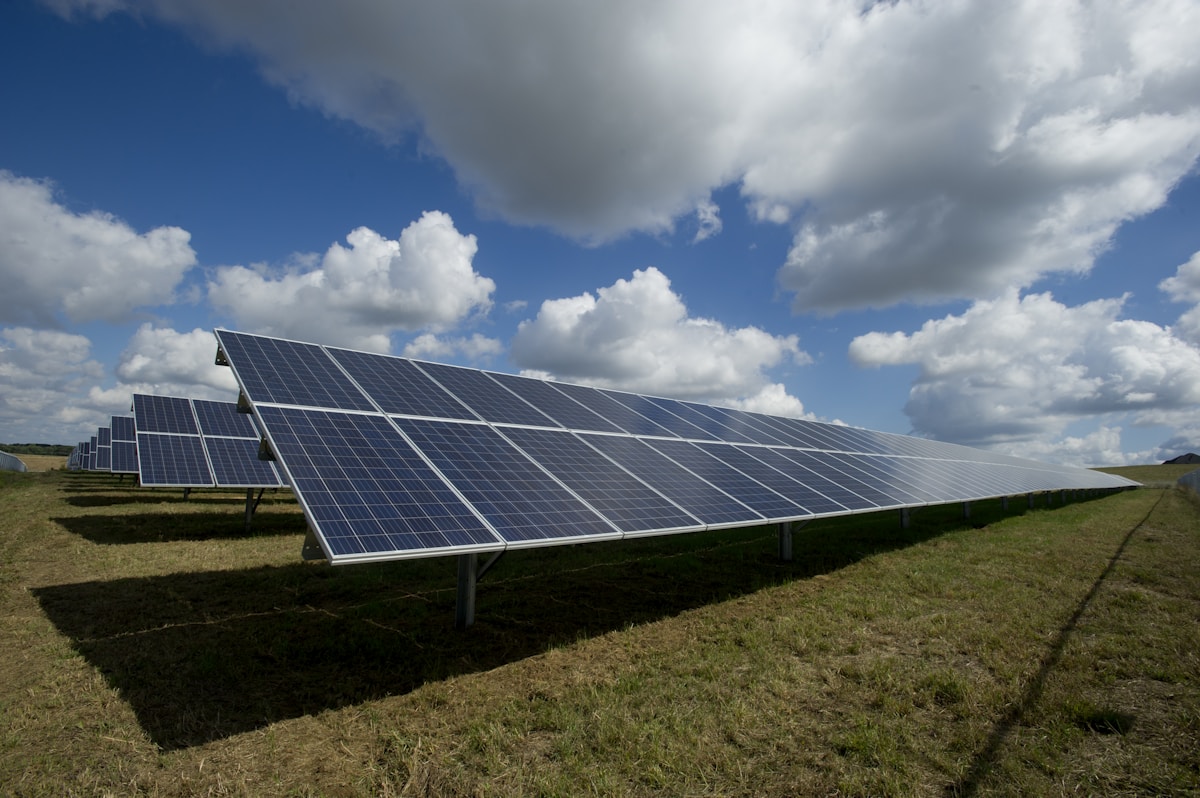
Solar Panels: Modern monocrystalline panels (400-550W) deliver better efficiency in Nigeria's high-temperature climate than polycrystalline alternatives. For a 10kW system, expect 20-25 panels requiring 35-45 square meters of roof space.
Inverter Selection: This is your system's brain. Pure sine wave inverters (5-15kW range) are mandatory for sensitive IT equipment. Hybrid inverters manage solar input, battery charging, and grid connection simultaneously. Premium brands like Victron Energy, SMA, and Schneider Electric dominate Nigerian institutional deployments due to proven reliability.
Battery Banks: Lithium batteries (LiFePO4) cost 2-3x more upfront than tubular lead-acid but deliver 3,000-5,000 cycles versus 1,200-1,500 cycles, making them cost-effective over 7-10 years. For a 15kWh system (sufficient for most SMEs), expect ₦3.5-4.5 million for lithium versus ₦1.8-2.5 million for lead-acid.
Cost Breakdown for Nigerian Businesses
| System Size | Suitable For | Total Investment |
|---|---|---|
| 5kW Solar + 10kWh Battery | Small office (5-10 workstations) | ₦4.5 - 6 million |
| 10kW Solar + 20kWh Battery | Medium business (20-30 workstations) | ₦8 - 11 million |
| 20kW Solar + 40kWh Battery | Large office/school (50+ workstations) | ₦15 - 20 million |
Common Mistakes to Avoid
Undersizing Your System: The most expensive mistake is buying a 5kW system when you need 8kW. Inverters running at 90-100% capacity continuously fail prematurely. Always oversize by 20-30%.
Ignoring Professional Installation: Improper wiring, inadequate grounding, and poor battery ventilation cause 60% of system failures in Nigeria. Professional installation costs ₦200,000-500,000 but prevents ₦2-3 million in damage.
Neglecting Maintenance Contracts: Solar panels require quarterly cleaning (dust reduces efficiency 15-25% in harmattan season). Battery banks need monthly voltage checks. Comprehensive SLAs cost ₦150,000-300,000 annually but extend system life 30-40%.
ROI Calculation: Solar vs Generator
A typical 10kVA generator consumes 2-3 liters/hour at ₦900/liter. Running 8 hours daily costs ₦14,400-21,600 daily (₦5.3-7.9 million annually). Add maintenance (₦800,000/year) and replacement every 3-4 years (₦2-3 million).
A 10kW solar system costing ₦9 million pays for itself in 18-24 months through eliminated diesel costs, then generates free power for 20-25 years. With financing options, monthly payments (₦400,000-500,000) often cost less than current generator spending.
Getting Started
Schedule a power audit with certified engineers. Techville Enterprise provides free site assessments including:
- 72-hour consumption monitoring
- Roof structural analysis for panel mounting
- Shading studies and optimal panel placement
- Customized system design with 3D modeling
- Detailed ROI projections with financing options
Contact us: 08168479036, 08168479036(Whatsapp) | enquires@techville.ng
Bottom Line: The right solar system eliminates downtime, cuts energy costs 70-85%, and increases property value. With current diesel prices, the question isn't whether you can afford solar—it's whether you can afford to keep burning diesel.